Nurigeum / Maker & workshop
He makes, plays, teaches and repairs.
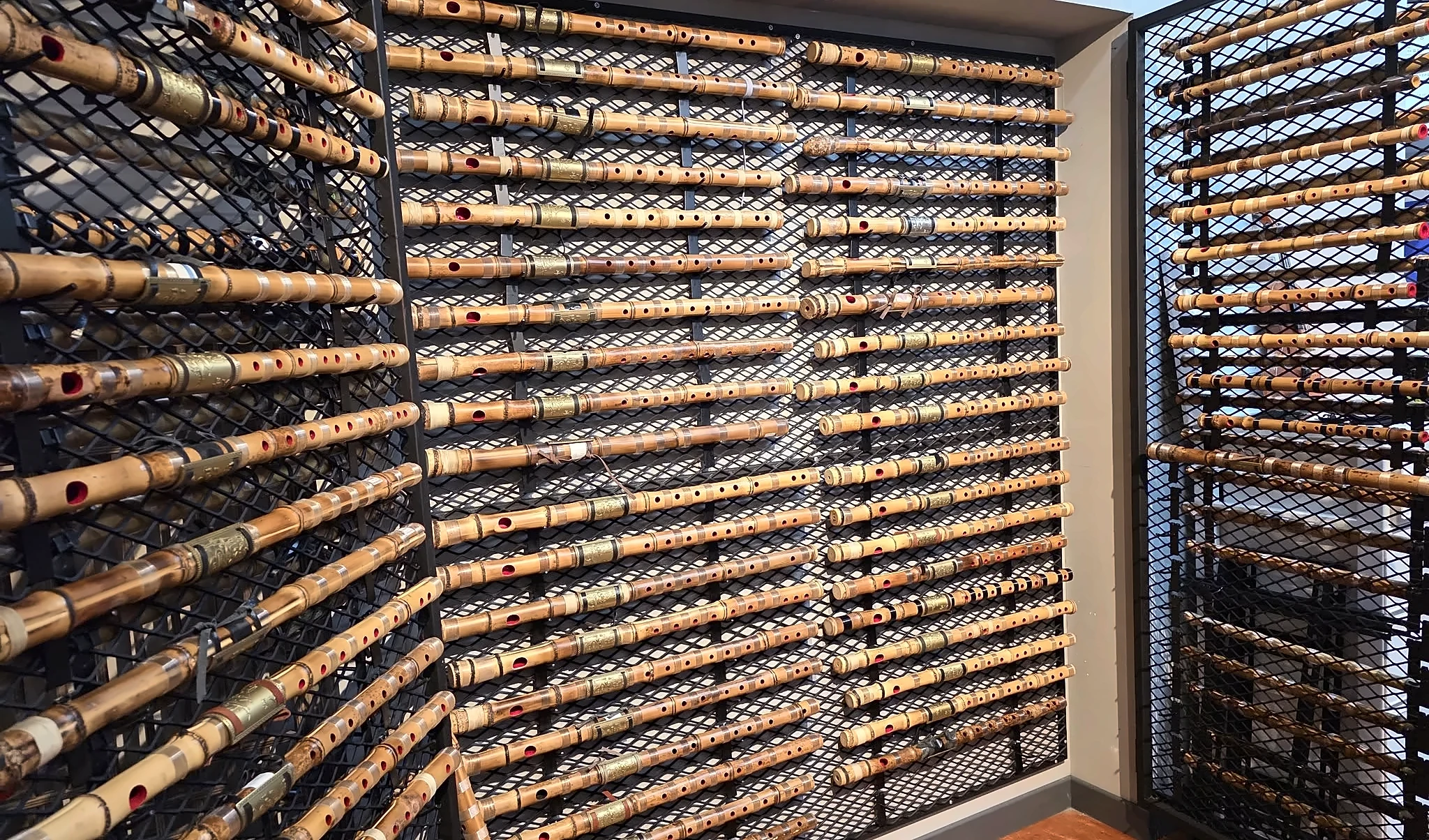
Kim Woong was a worn-out employee at a large company when he happened to hear a daegeum and felt his mind settle. He learned instrument making by shaping some 500 clay ocarinas, and since 2007, under one line — the sound of Korea, to the world — one person has done it all, from choosing the bamboo to repairing the instruments he has made.
What Kim Woong does
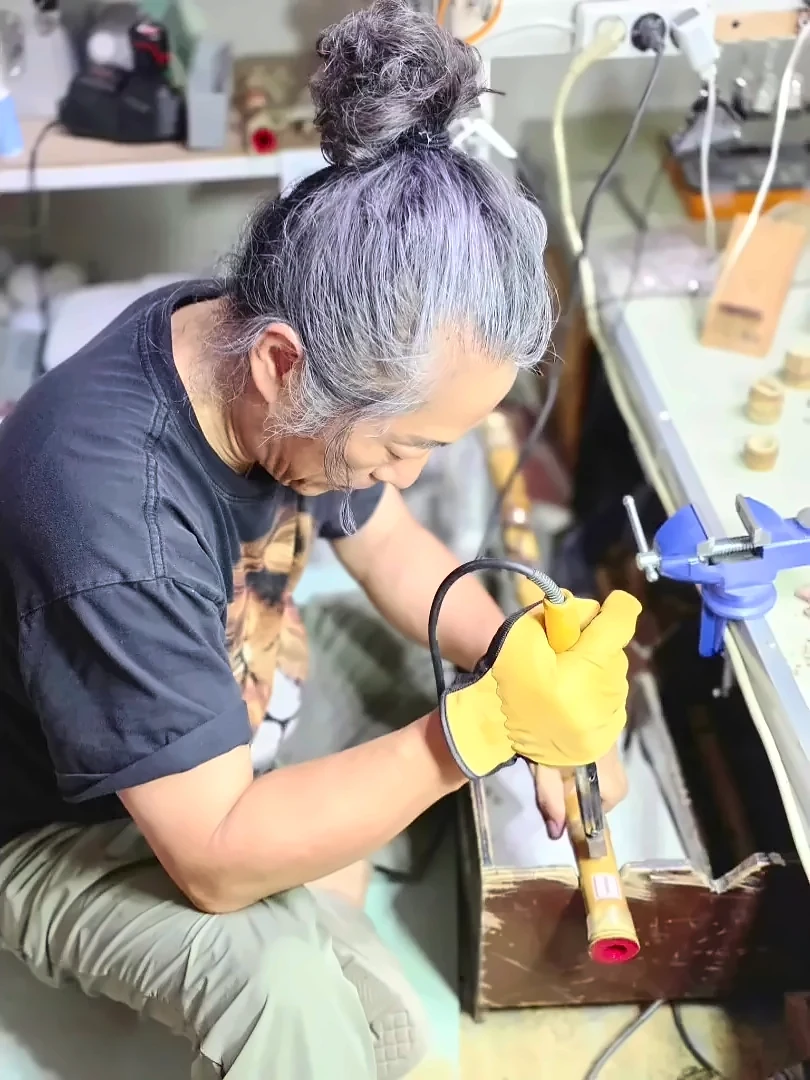
Maker
He chooses the bamboo and grinds the finger holes until all twelve notes sit true. Some 3,200 instruments so far.
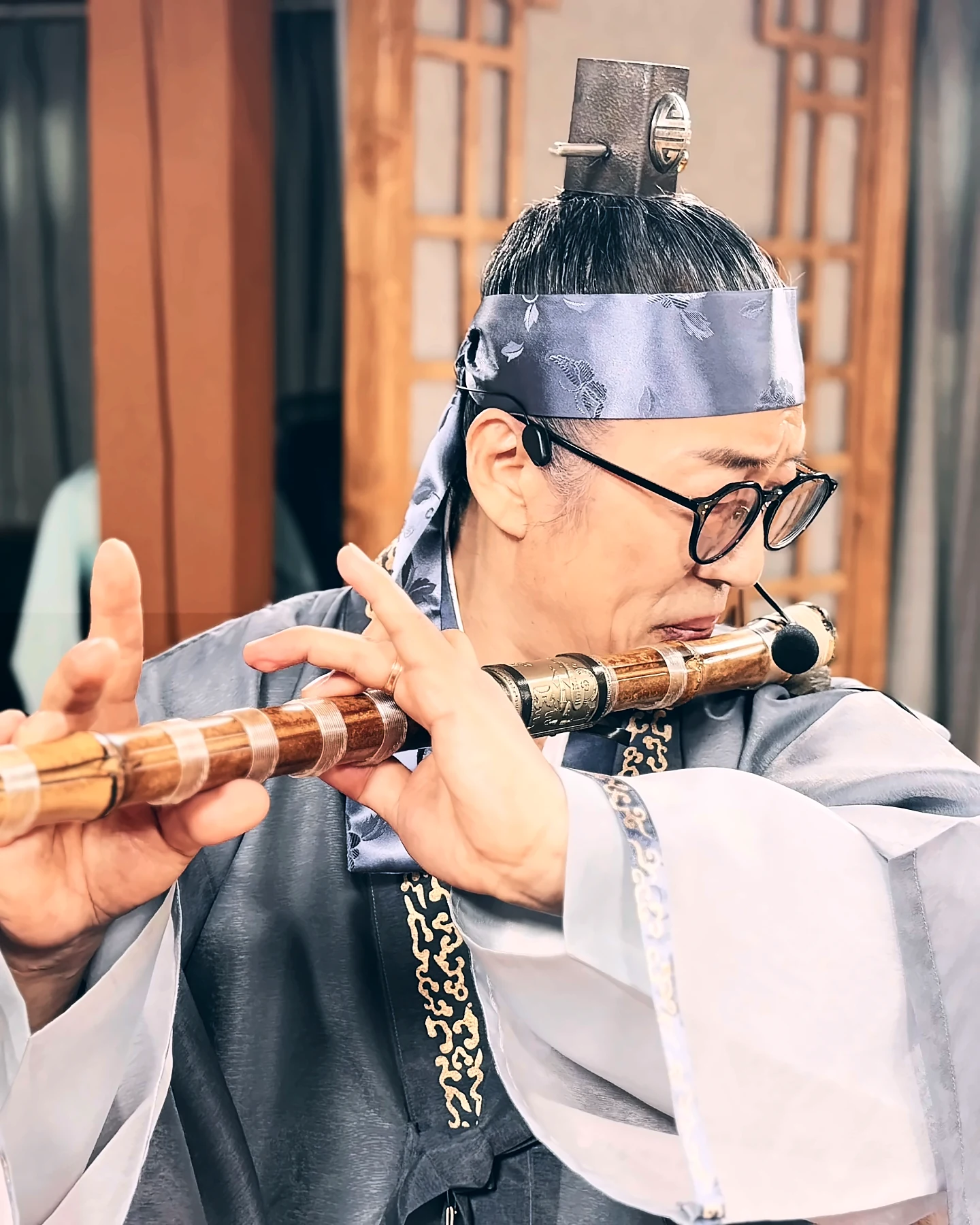
Player
He plays his own instruments on stage, and what he hears there goes back into the next one.
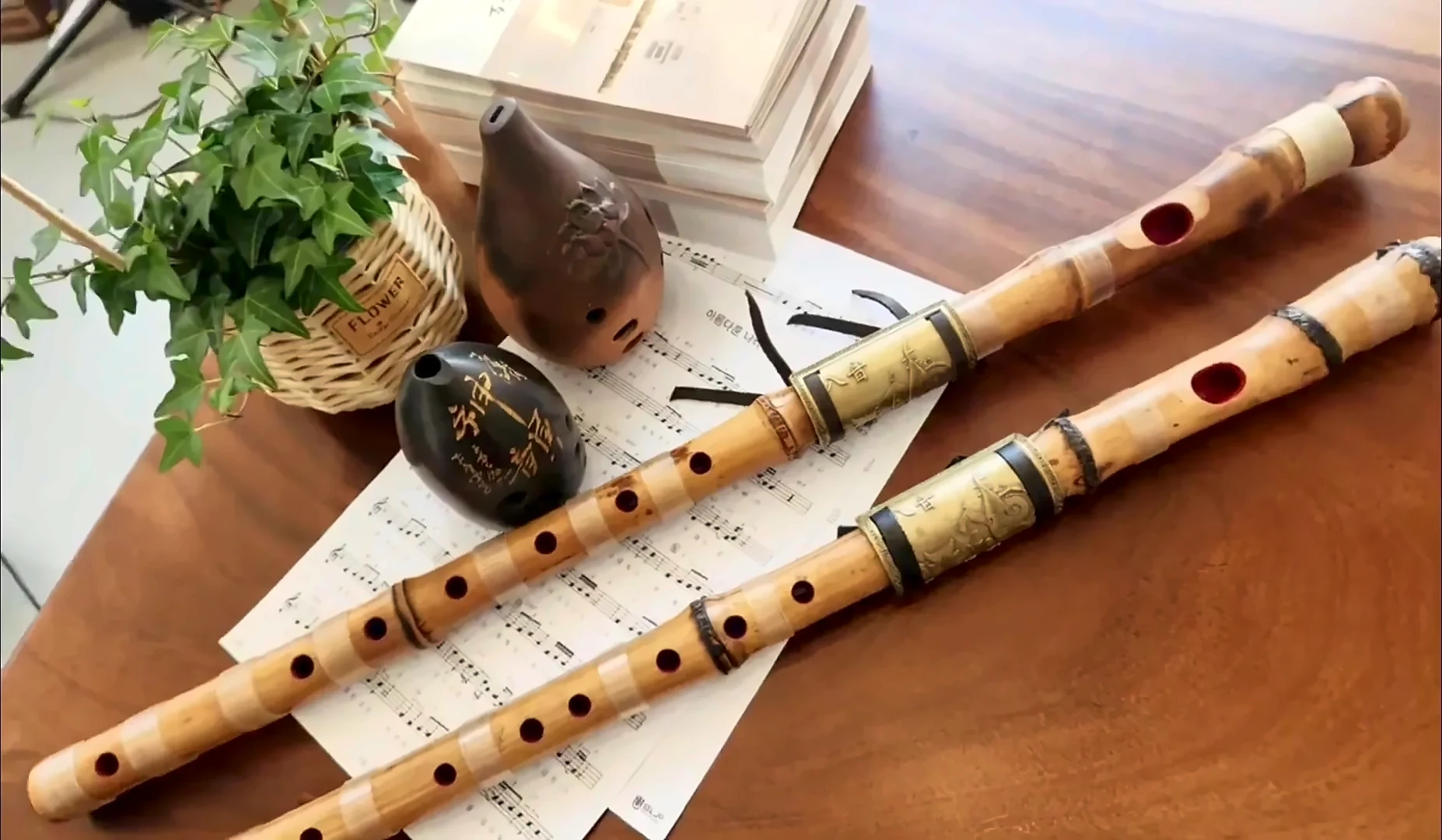
Teacher
As president of the Korea Life Gugak Association, he teaches people to enjoy Korean instruments without reading jeongganbo.
About lessons →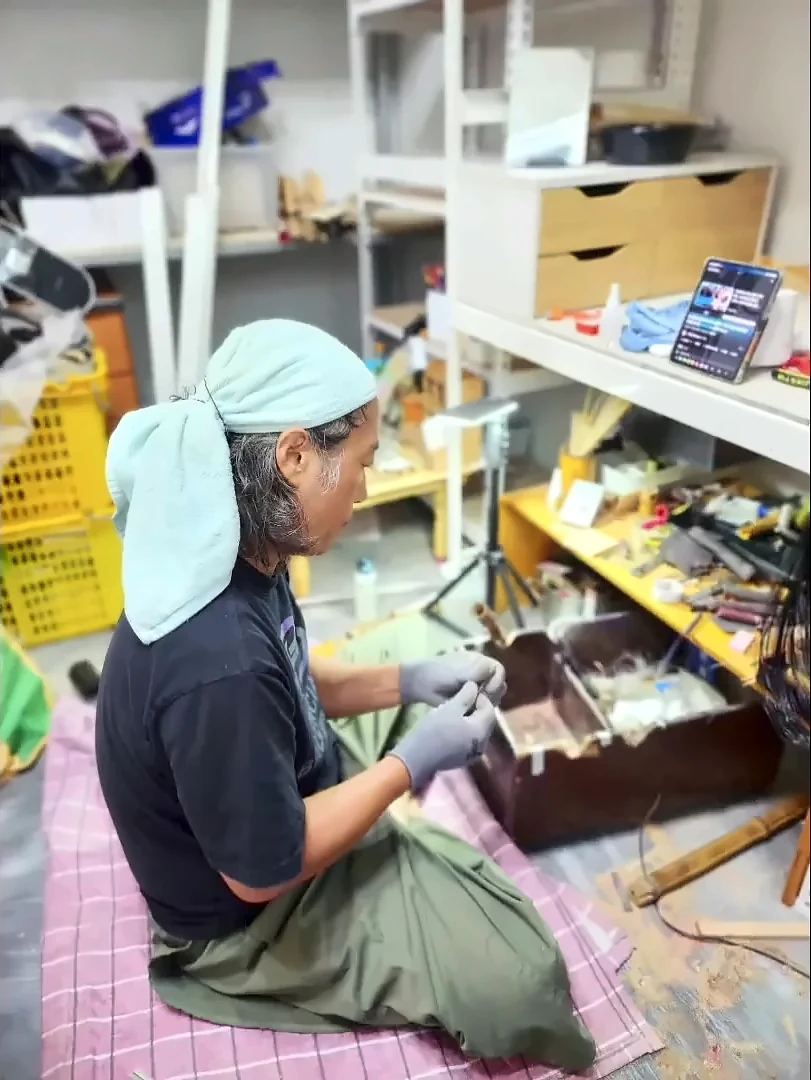
Repairer
He repairs the instruments he has made for players. The number and the year tell him which bamboo it came from and how it was made.
About repairs →
In his words
A good sound comes from a daegeum that is easy for the player to sound, and it eases the faces of the people listening. It is hard to put into words, but it is a gentle, warm sound.
The way a ginseng hunter senses where wild ginseng grows, I read the mountain, its shape, the lie of the land, the scent and the slope. A good bamboo has a presence of its own. It stands out, and it does not grow mixed in with the rest.
Making a daegeum is, you could say, all about finding and preparing the material. Most of my time and care goes into drying good bamboo for five years and straightening where it bends.
Records
Some 3,200 instruments,
kept on record.
2,903 of them are posted on his blog with their numbers. Each record keeps the type, key and bamboo, so the maker can repair the same instrument years later.
Recognition
- Commendation from the Chair of the National Assembly Culture, Sports and Tourism Committee
- Commendation from the Chair of the National Assembly Strategy and Finance Committee
- Talent Donation Angel Award, Korea Talent Donation Association
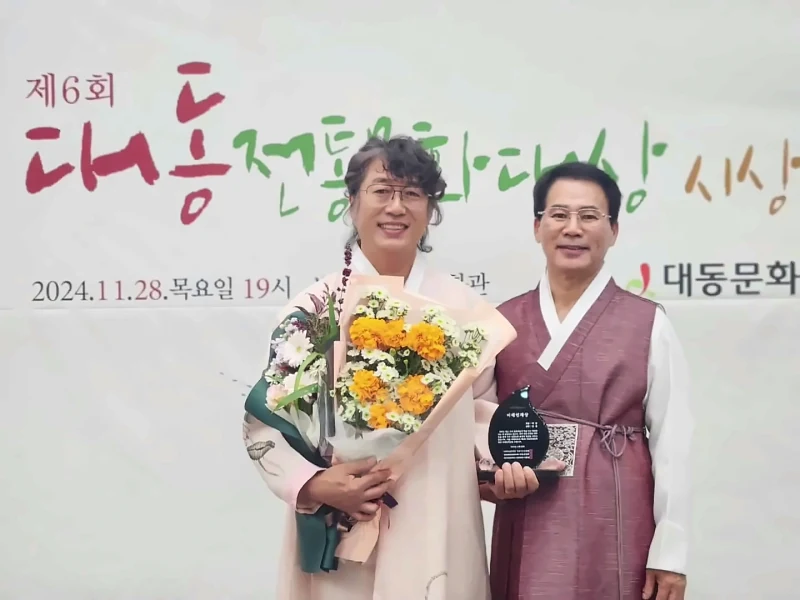
- 6th Daedong Traditional Culture Award
- Commendation from the Chair of the National Assembly Health and Welfare Committee
- Korea Talent Culture and Arts Award
- Commendation from Korea IT Industry News
- Master Performer, Korea Life Music Performers Association
- Instruments for the film Hero and the MBC drama Pongdang Pongdang Love
Craft
From the grove
to the seal.
From choosing the bamboo to the final seal, every step is done by hand at the Sannaedeul workshop. How long one takes depends on the instrument.
Search
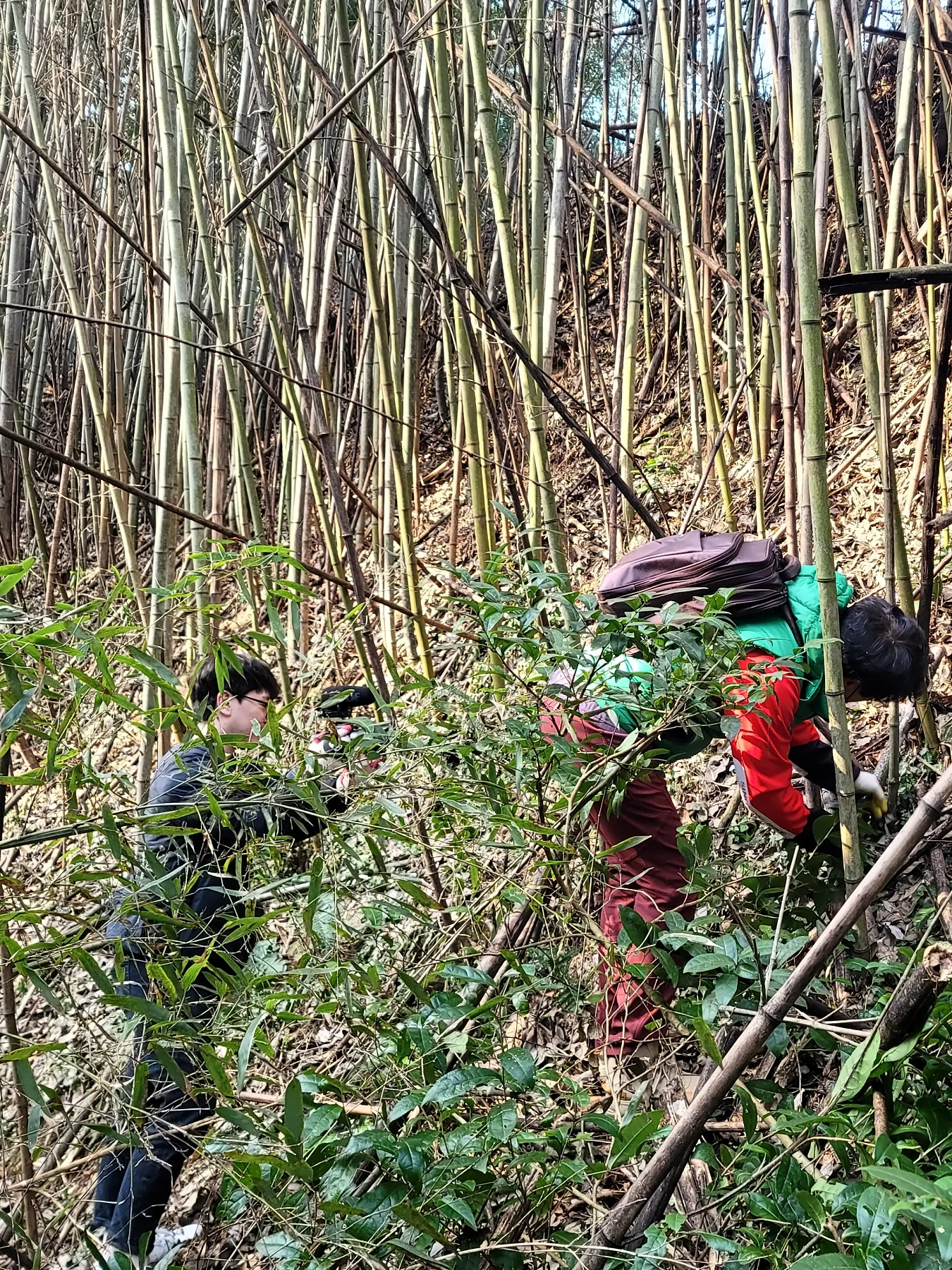
Kim Woong searches the grove for ssanggoljuk, bamboo with a double groove at every node. Some days it takes seven hours to find one.
Dig
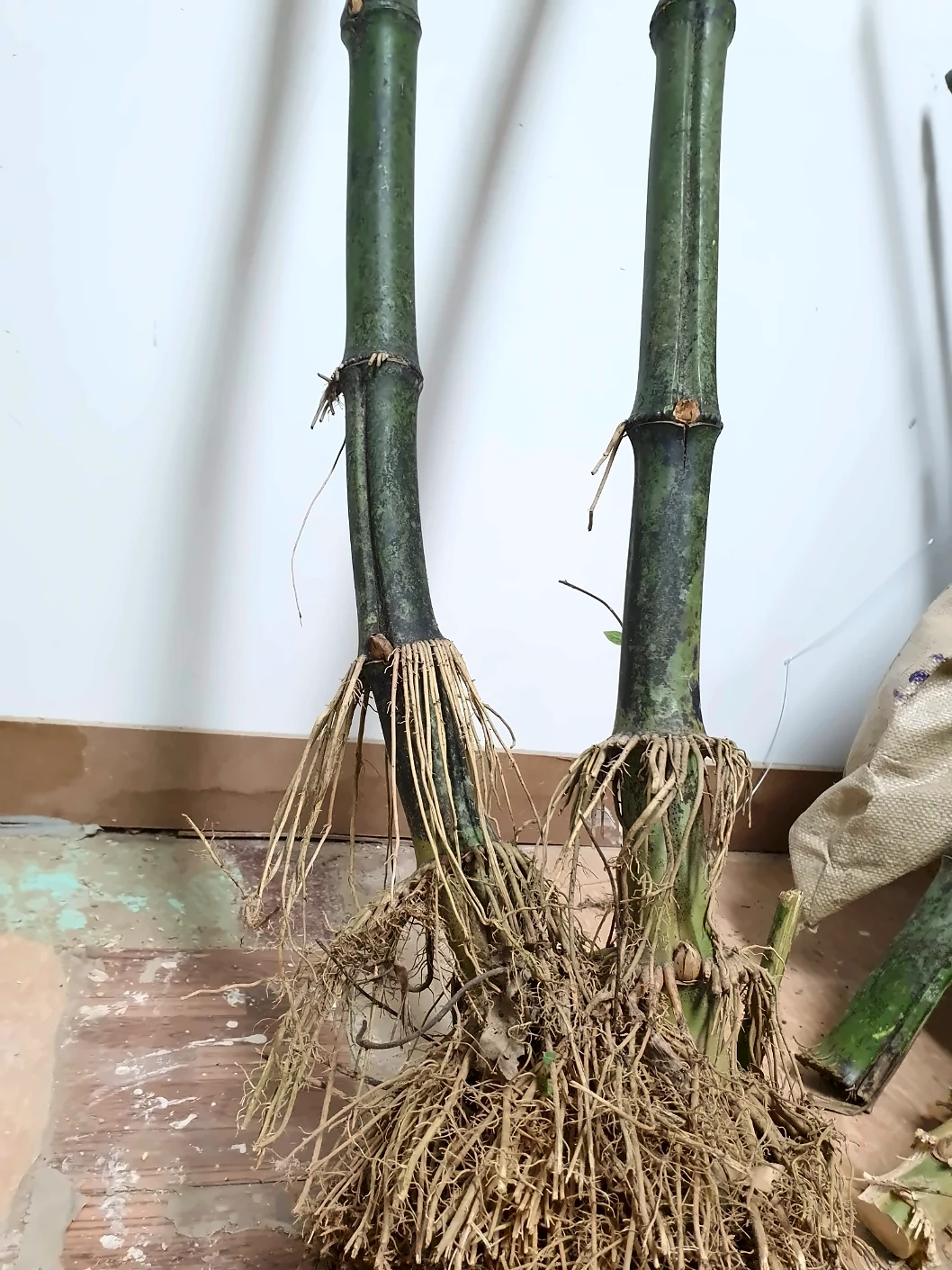
The chosen stems come out with their roots.
Cure
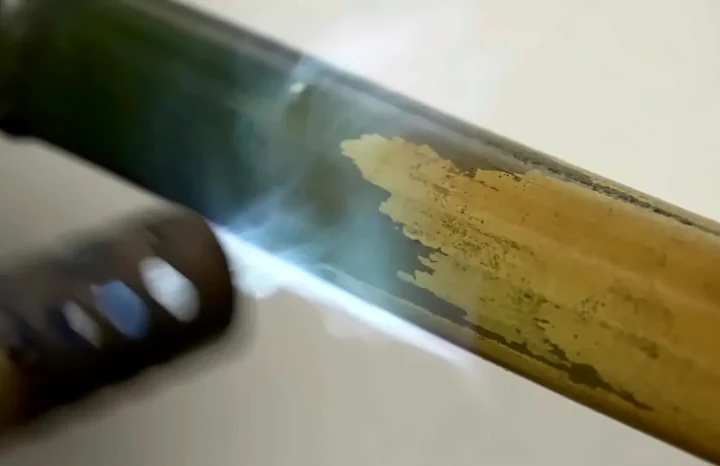
Fire draws out the sap and straightens the stem.
Cut
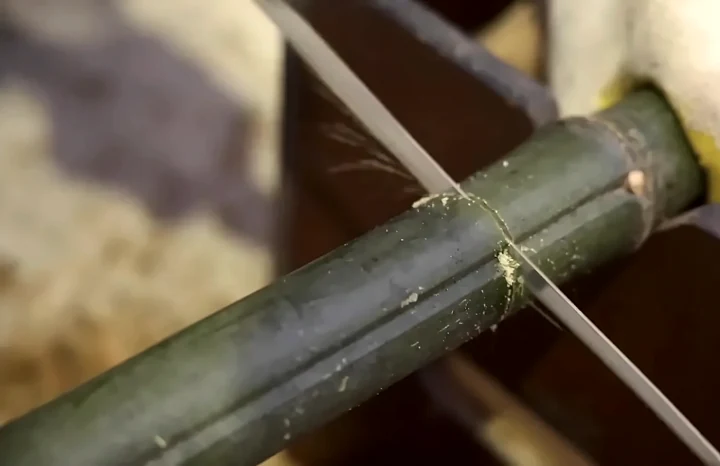
It is sawn to the length of the instrument.
Measure
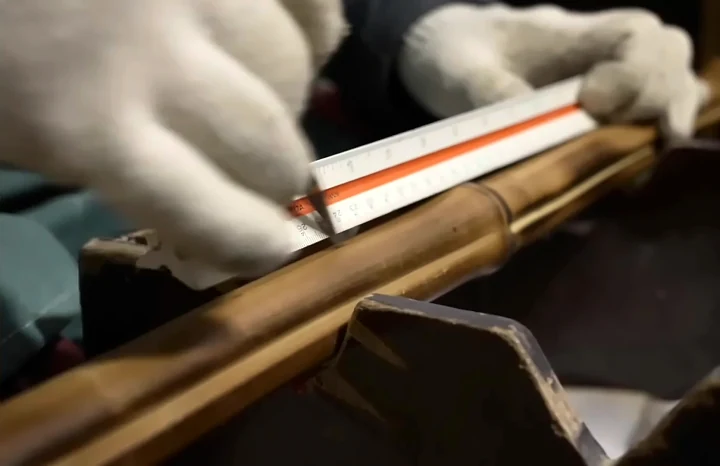
He marks out the holes. Each hole decides a note.
Bore
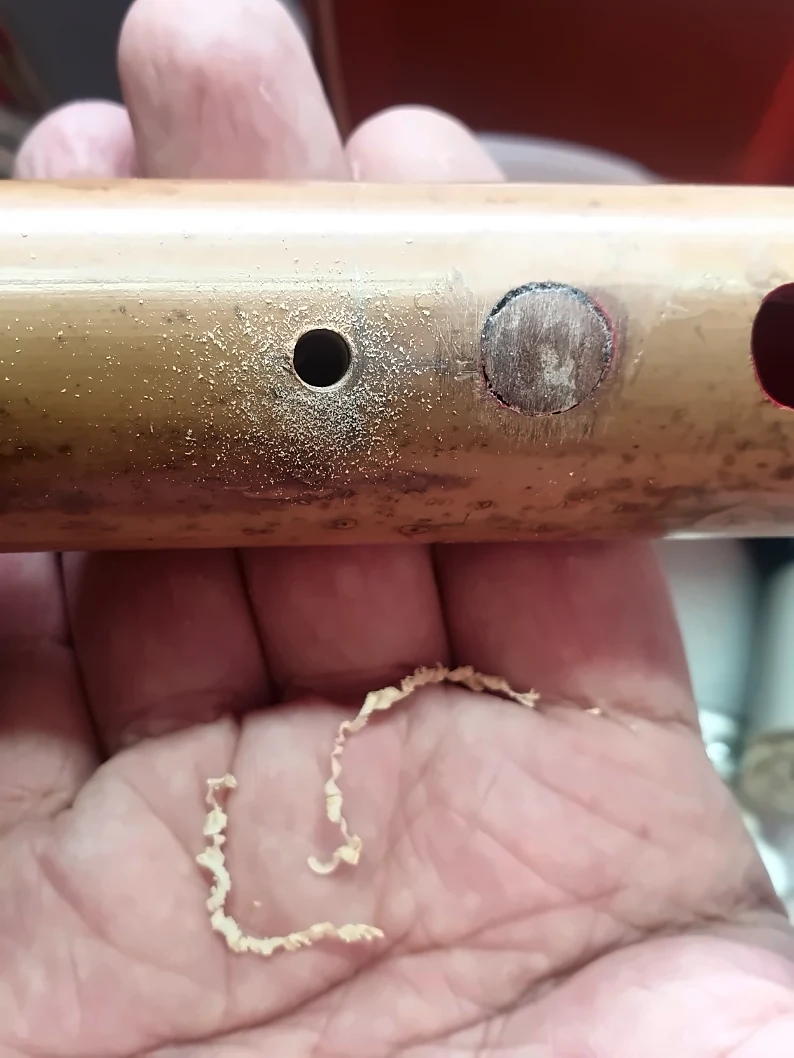
He shapes the bore and opens the embouchure and finger holes.
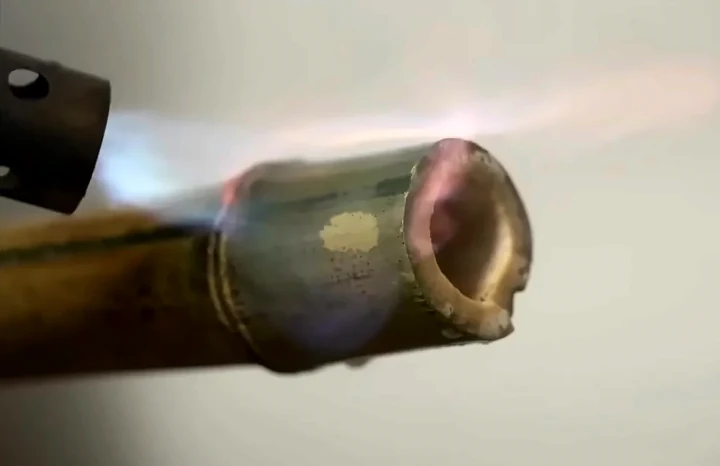
Finish
The ends are finished with heat.
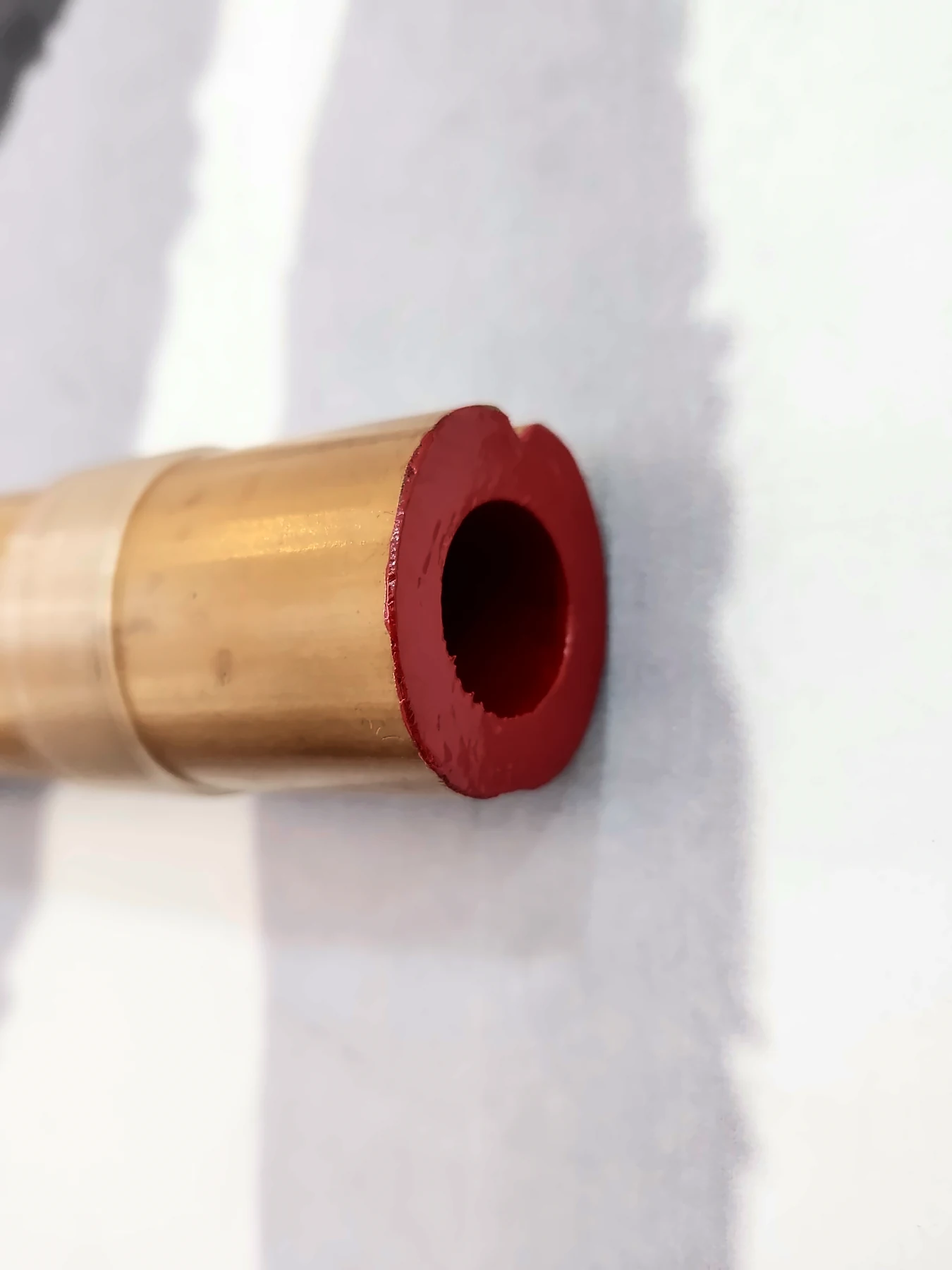
Coat
A coat is brushed on inside.
Tune
With a tuner, he plays note by note and grinds each hole until all twelve notes sit true.
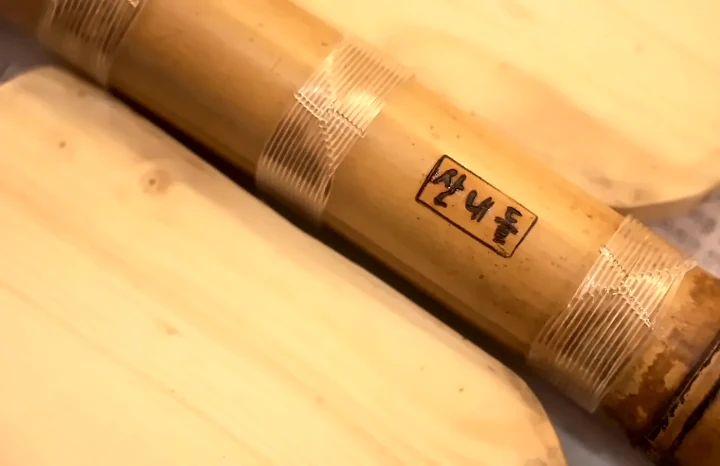
Seal
Last come the Sannaedeul seal and the instrument’s number, which, with the year it was placed, is the reference for every repair to come.
Since 2007
From a length of pipe
to Nurigeum
It began with a pipe from a building site: I drilled holes in it and blew, tuning note by note. I did not know the Korean scale, so I tuned it to the Western one, and that is exactly what gave birth to Nurigeum.
Graduates in landscape architecture from Honam University
Begins work on a Western-scale daegeum with a length of pipe; opens the Sannaedeul workshop in Boseong
After some 500 clay ocarinas, makes his first daegeum
Leaves his company to make instruments full time; moves the workshop from Boseong to Gwangju
Enters the music department of Chunnam Techno University
Graduates from the music department of Chunnam Techno University
In August plays by invitation at the Ludelchin Naadam in Mongolia
Files the Nurigeum trademark and patent; certified as a Lifelong Education Specialist; president of the Korea Life Gugak Association; 3,200 instruments made
The workshop
behind Nurigeum
Nurigeum is the name of the instruments Kim Woong makes. The Sannaedeul workshop where they are made and the Sannaedeul Art Gallery where he plays and teaches share one building in Gwangju.
Visit the Sannaedeul Art Gallery →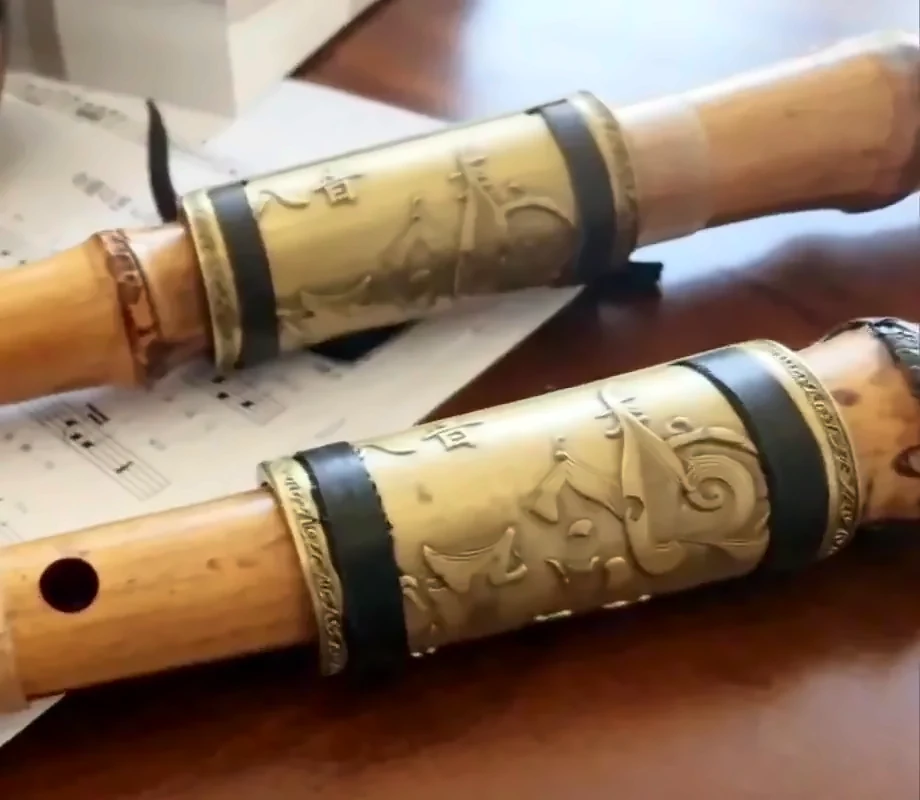
- Nurigeum
- The instruments Kim Woong makes, and the brand
- Workshop
- Where Nurigeum are made and repaired
- Gallery
- Sannaedeul Art Gallery — workshop, exhibition and learning spaces together
- Association
- Korea Life Gugak Association — everyday gugak education
Consultation
Let us help you
find your Nurigeum.
Tell us what you want to play, where, and with whom. We ask about your hand size and experience, then recommend an instrument.
- Phone
- +82 10-3617-0842
- nurigumk@gmail.com
- Workshop
- Sannaedeul Art Gallery · Gwangju, Korea